A clear starting point
Decide what the space needs to do. Gather rough measurements, a few photos, and the main problems you want to solve. Note any plans for a cover, hot tub, heavy vehicle, or other future addition.
Understand the main stages of a residential concrete project before you choose an installer or compare proposals.
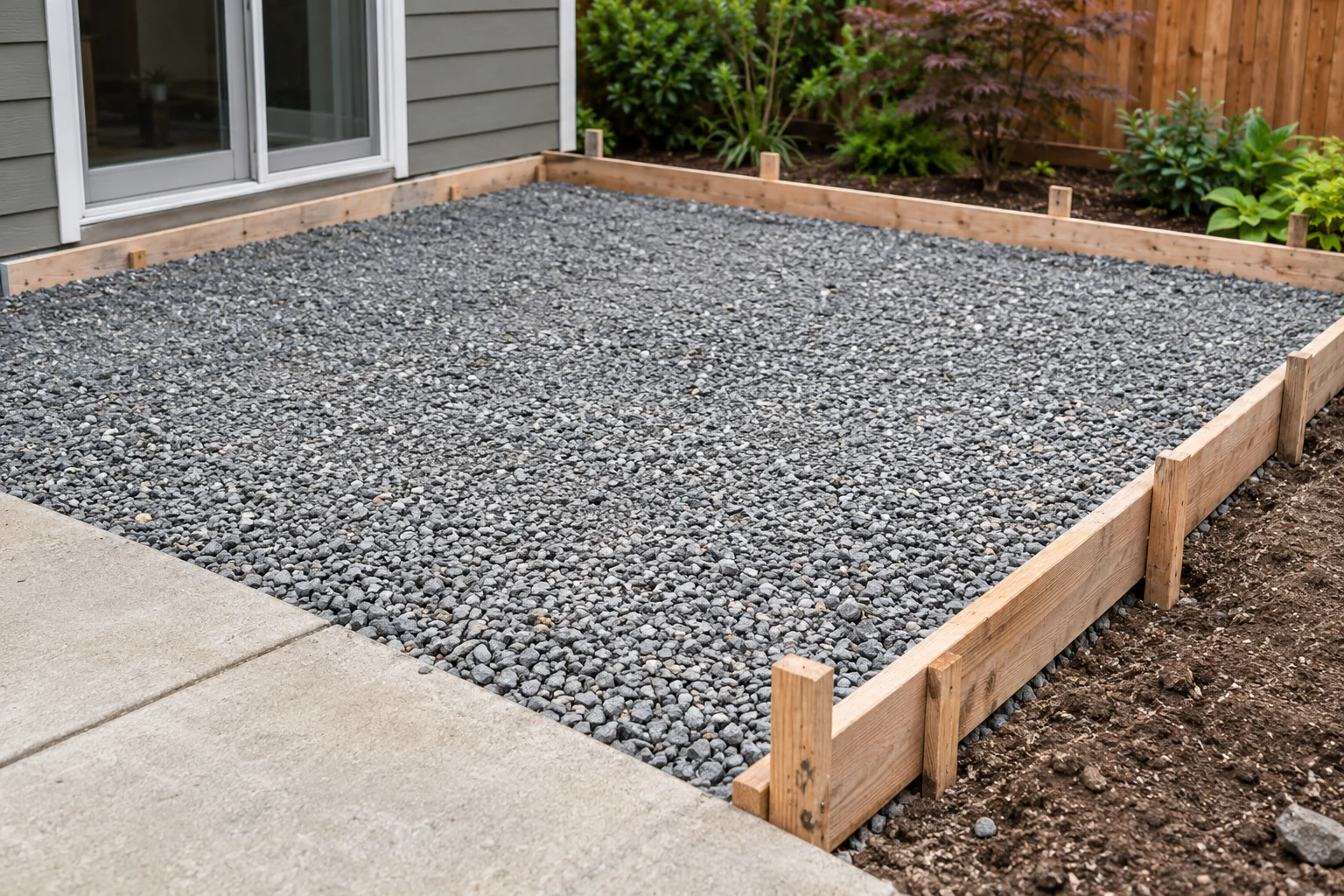
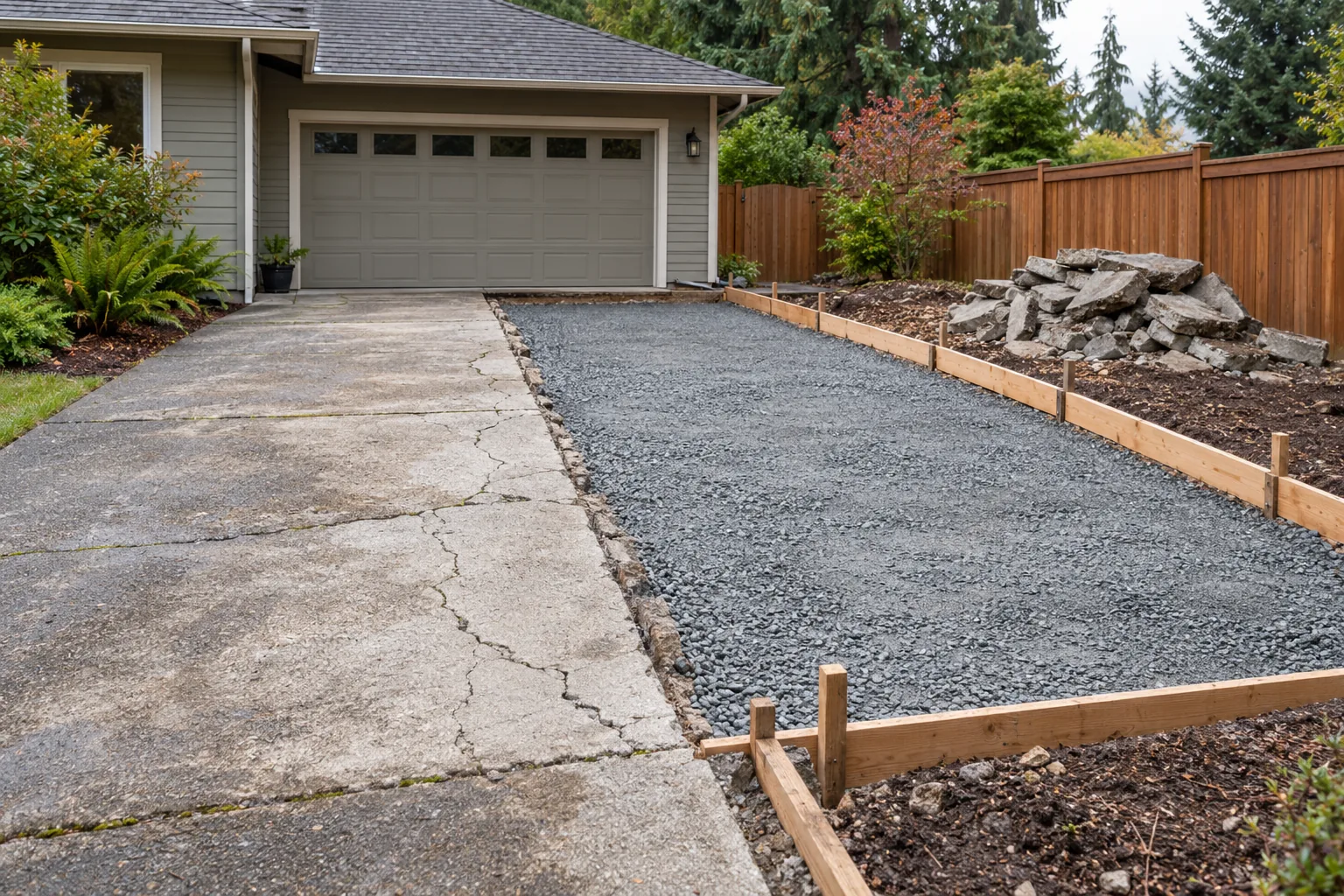
Decide what the space needs to do. Gather rough measurements, a few photos, and the main problems you want to solve. Note any plans for a cover, hot tub, heavy vehicle, or other future addition.
Have the contractor review access, existing concrete, grade, drainage, utilities, and the ground below. A useful visit should inform the scope rather than simply confirm square footage.
Ask for the preparation, removal, base, concrete specification, finish, joints, cleanup, and any permit responsibilities in writing. Compare exclusions and the plan for unexpected ground conditions.
A typical project moves through removal or excavation, base preparation, forms, placement, finishing, joint work, and curing. Ask when the surface can be used and what care it will need.
The slab, prepared base, and underlying ground work together. Ask the contractor to explain the proposed design for your property and loads.
Joints help manage where normal shrinkage cracking occurs. Good planning reduces avoidable problems; no honest proposal should promise concrete that can never crack.
Conceptual illustration. Not a construction drawing.
Confirm parking, access to the home, protection of adjacent surfaces, and the expected work sequence. Ask how weather could affect the schedule and who makes the call if conditions change.
Before the contractor leaves, request written curing and maintenance instructions. Walking access, vehicle access, and heavy loads may have different timelines. Follow the instructions for the specific installation.
Further reading: NRMCA Concrete in Practice resources cover topics including joints and curing.
Clear answers make for better decisions.
The scope, access, weather, inspections, and curing all influence the schedule. Ask for a work sequence and separate dates for construction and return to use.
Discuss how additional excavation or base work will be priced and approved before work begins. A written change process helps avoid surprises.
Concrete can develop cracks as it shrinks or moves. Preparation, design, joints, placement, and curing all matter, but a crack-free guarantee is not a realistic planning assumption.
Tell us a little about the space, the project, and what you have in mind.